
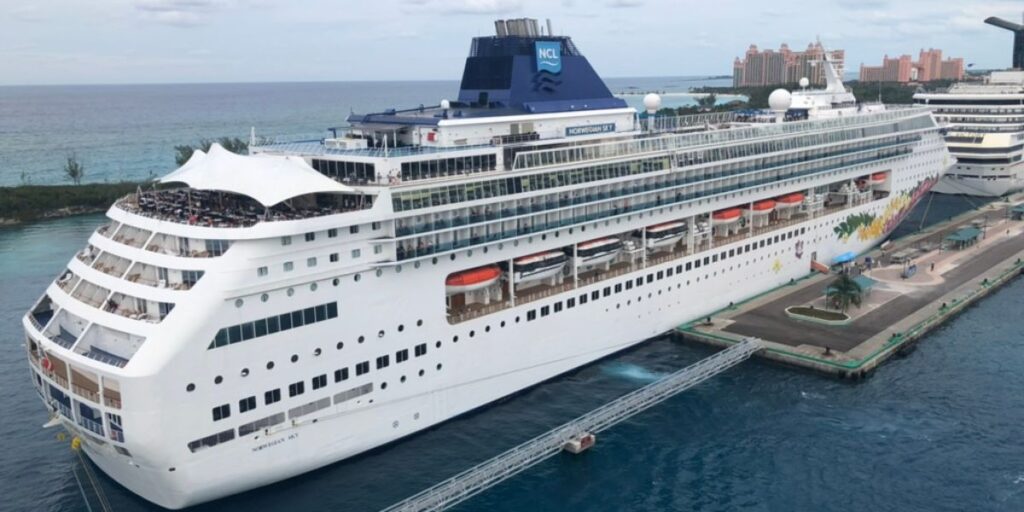
Norwegian Cruise Line Holdings Adjusts 2026 Profit Forecast
Norwegian Cruise Line Holdings has revised its profit expectations for 2026. The company, which operates Norwegian Cruise Line, Oceania Cruises, and Regent Seven Seas Cruises, cites rising fuel costs, reduced demand, and earlier booking challenges as key pressures. The new forecast anticipates adjusted earnings between $1.45 and $1.79 per share, a drop from the previous $2.38 per share prediction.
Strong Start, But Challenges Ahead
Despite the revised forecast, Norwegian’s first quarter showed strength. Revenue increased by 10% year-on-year, reaching $2.33 billion. GAAP net income was $104.7 million, and adjusted EBITDA rose 18% to $533 million, surpassing company guidance. However, the outlook for the remainder of 2026 is less optimistic. Disruptions in the Middle East, higher fuel prices, and weaker demand, particularly for European summer cruises, are concerns. Following the announcement, Norwegian’s shares dropped by about 7% in morning trading.
Why Norwegian Adjusted Its Forecast
Norwegian faces multiple challenges simultaneously. Fuel costs are a significant factor, as cruise ships consume large amounts of fuel. The company reported a fuel expense of $169 million in the first quarter. It now expects fuel to cost $782 per metric ton for the year, up from a previous estimate of $670. Although Norwegian has hedged around 51% of its 2026 fuel needs, a substantial portion remains exposed to market fluctuations. A 10% change in fuel prices could impact full-year adjusted earnings per share by approximately $0.08. The Middle East conflict has driven oil prices above $100 a barrel, adding to global energy supply uncertainty.
Booking Challenges
Fuel isn’t the only issue. Norwegian began 2026 behind its booking targets, meaning fewer future bookings than desired. The company also mentioned “execution missteps” and remains below its “optimal booking range.” Geopolitical uncertainty has further complicated closing this gap. Advance bookings are crucial for cruise lines, providing pricing control. Weak bookings can lead to difficulties in maintaining fares, especially if demand becomes uncertain later. Recent events related to the Middle East conflict have impacted bookings across the board.

Leave a Reply