
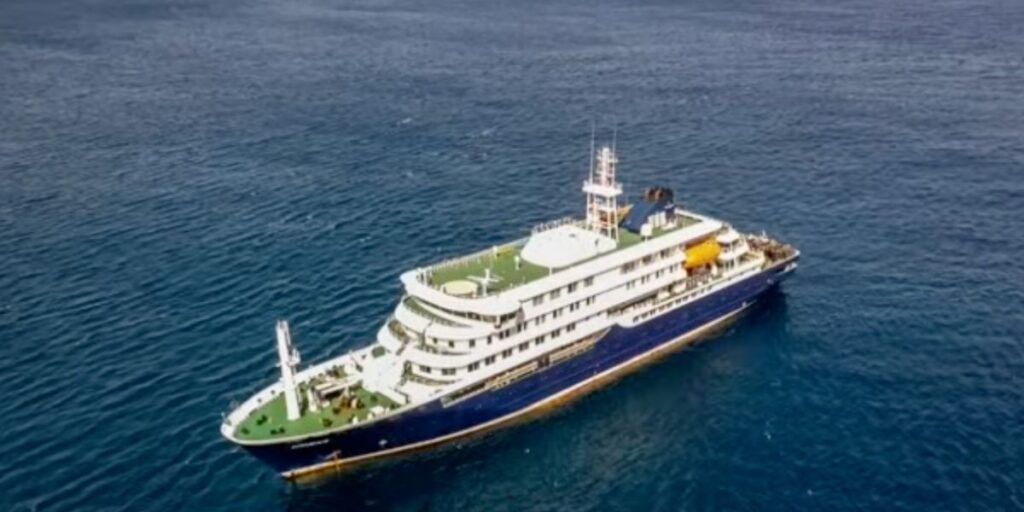
Three passengers have tragically died, and several others have fallen seriously ill following a suspected hantavirus outbreak on the expedition cruise ship MV Hondius. This rare incident occurred while the vessel, operated by Oceanwide Expeditions, was sailing from Ushuaia, Argentina, to Cape Verde. The World Health Organization (WHO) has confirmed that one passenger tested positive for hantavirus, with five additional cases under investigation. Among the six affected individuals, three have died, including a Dutch couple aged 70 and 69. A third passenger’s body remains onboard the ship.
A 69-year-old British passenger is currently in intensive care in Johannesburg, South Africa, marking the only confirmed case so far. Additionally, two crew members are unwell. The WHO is actively supporting the response to this “public health event” involving a cruise vessel in the Atlantic Ocean. They have confirmed one laboratory-confirmed hantavirus infection and five suspected cases. Further laboratory work, including genetic sequencing, is underway to determine the virus strain and whether all cases are linked to the same source.
At the time of the outbreak, MV Hondius was carrying up to 170 guests, 57 crew members, and 13 expedition guides. With six known or suspected cases, this represents about 3.5% of passengers onboard, a significant proportion for such a serious illness. The ship is currently off Cape Verde and has been stationary for at least 24 hours. Local authorities have not yet granted permission for ill passengers or crew to disembark for treatment, complicating the medical response.
What Is Hantavirus and How Serious Is It?
Hantavirus is a rare but potentially fatal disease, typically contracted through exposure to infected rodent urine, droppings, or saliva. It is highly unusual for cases to be associated with cruise ships. There are several types of hantavirus, and severity can vary depending on the strain and a person’s overall health. One form, hantavirus pulmonary syndrome, can take between one and eight weeks to show symptoms. Early signs include fatigue, fever, and muscle aches, followed by coughing and shortness of breath as the illness progresses. Another form, haemorrhagic fever with renal syndrome, develops more quickly, often within one to two weeks, causing severe headaches, blurred vision, internal bleeding, and, in the most serious cases, kidney failure.

Leave a Reply